
ข่าว
ข่าว
-
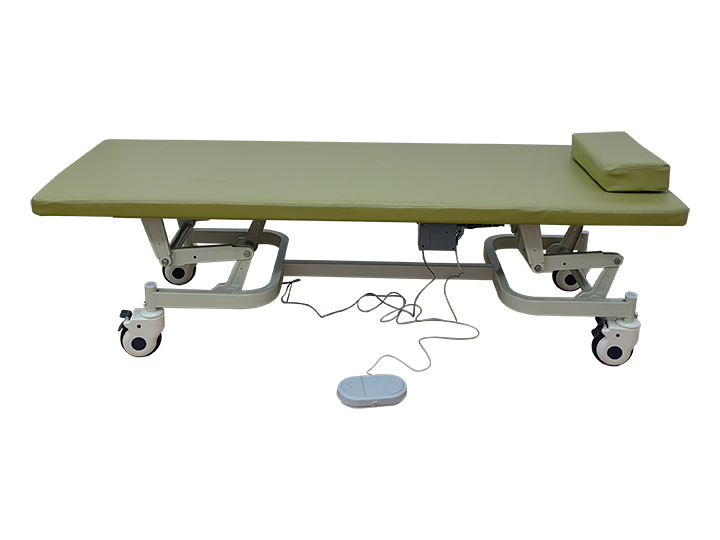
What Is A Physiotherapy Bed? Functions, Types, And Buying Guide
July-03 2026
As a common medical device, physiotherapy beds play an important role in sports medicine treatment, daily relaxation, spinal massage, and wave bath massage. Whether for professional medical institutions or personal rehabilitation needs, choosing the right physiotherapy bed is directly related to treatment effectiveness and user experience. This article will detail the functions, types, and key purchasing points of physiotherapy beds to help you better understand this equipment. I. What is a Physiotherapy Bed? A physiotherapy bed is a medical device specifically designed to position patients for various physiotherapy treatments. Its core role is to assist in sports medicine treatment, spinal correction, relaxation massage, and other procedures through stable support and specific functions. Unlike ordinary beds, physiotherapy beds focus more on medical professionalism in structural design and functional configuration, capable of adjusting angles according to treatment needs, providing targeted physical intervention, and creating a safe and comfortable physiotherapy environment for patients. II. What are the Core Functions of a Physiotherapy Bed? High-quality physiotherapy beds usually have multiple practical functions to meet different physiotherapy needs: - Acup...
-
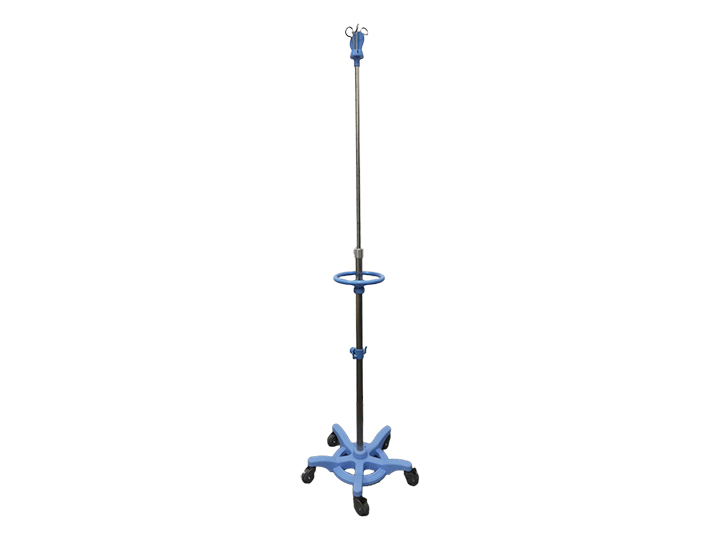
Comprehensive Guide To IV Poles: Type Analysis And Selection Tips For Medical Environments
July-03 2026
IV poles are indispensable basic equipment in medical settings, whose primary function is to provide stable and safe support for IV bags or bottles. They are widely used in hospital wards, operating rooms, emergency centers, clinics, and even home care scenarios. With the diversification of medical needs, the design of IV poles has become increasingly rich, aiming to provide higher flexibility and convenience for medical staff and patients. Understanding different types of IV poles and their characteristics is a crucial step in ensuring efficient and safe medical work. This article will systematically analyze the common types of IV poles on the market and provide practical selection guidelines to help you make the best decision based on specific medical scenarios. Common Types of IV Poles and Their Core Characteristics 1. Floor-Standing IV Poles This is the most common and traditional type, fixed to the ground via a stable base, providing extremely strong stability. Some models are equipped with casters, thus combining stability and mobility. Its advantage is that it usually has multiple hooks, which can meet the needs of multiple patients or a single patient with multiple IV bags simultaneously, making it very suitable for fixed bed areas such as inpatient wards....
-
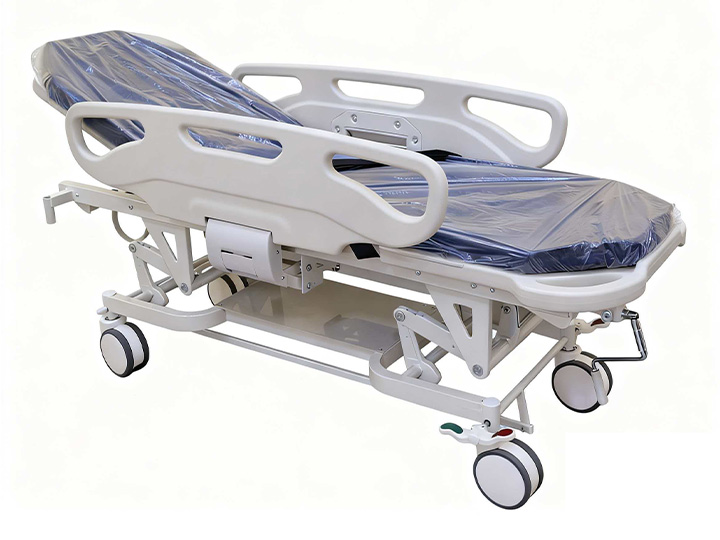
Comprehensive Guide To Choosing Hospital Beds: Analysis Of Sizes, Prices, And Selection Key Points
June-29 2026
Hospital beds are core equipment in medical care and home care. Choosing the right hospital bed can not only improve the comfort of users but also facilitate nursing work. This article will detailedly analyze the common sizes, key selection points, and market overview of hospital beds to help you make an informed decision. Common Size Specifications of Hospital Beds The size of a hospital bed is the primary consideration when choosing, mainly divided into three types: single, double, and double extra-large. Choosing the right size is crucial to ensure the utilization of ward space and user comfort. Single hospital beds commonly have a width of 90 or 100 centimeters, and lengths of 188, 195, or 200 centimeters. This type of bed is suitable for wards with limited space or single-person use, meeting basic bedridden needs. Double hospital beds usually have a width of 150 or 180 centimeters and a length of 200 centimeters. This size provides a more spacious resting space, suitable for users who need more room to turn over or for family members to temporarily take care of them nearby. Double extra-large hospital beds can have a width of up to 180 or even 210 centimeters, with lengths of 188 or 200 centimeters. This is the most spacious type of hospital bed, ...
-
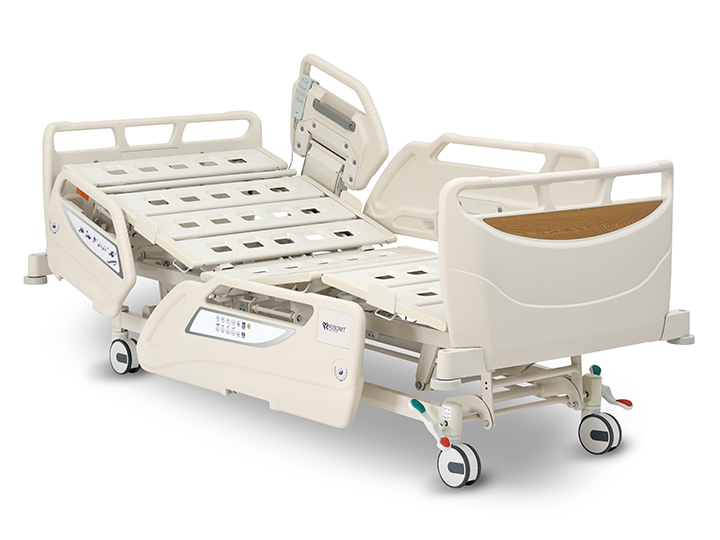
Medical Beds: Key Equipment For Enhancing Nursing Quality And Patient Comfort
June-29 2026
As a core piece of equipment in medical care settings, medical beds are specifically designed for inpatients and various individuals requiring professional care. They are not just ordinary beds but integrate comfort and functionality, aiming to provide patients with a secure resting environment while facilitating the daily work of nursing staff. Choosing the right medical bed is crucial for improving overall nursing efficiency and the patient's rehabilitation experience. Core Functional Features of Medical Beds The design of medical beds focuses on patient comfort and safety, as well as the convenience of nursing operations. Their main functions include: Height Adjustment Function: The entire bed frame can be adjusted in height as needed. This function not only makes it easier for patients to get in and out of bed by themselves but also allows nursing staff to work in a more comfortable and ergonomic position when providing bedside care, changing bed sheets, or performing treatment procedures, thereby reducing occupational strain. Head and Foot Adjustment: The head and foot sections can be adjusted in angle independently or synchronously. Patients can adjust to the most comfortable position according to their own needs (such as reading, eating, resting, or under...
-
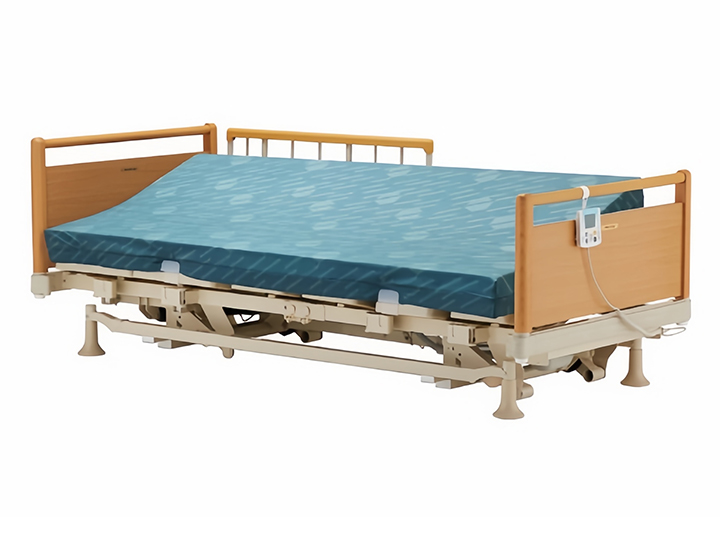
Nursing Bed Buying Guide: Comprehensive Analysis Of Types, Functions, And Safety Considerations
June-29 2026
A nursing bed is a specialized bed designed for patients or the elderly with limited mobility or those who are bedridden for long periods. It not only provides basic resting functions but also integrates multiple care-assisting features, aiming to enhance the user's comfort and quality of life while reducing the burden on caregivers. Given the specific nature of their user base, nursing beds are subject to far stricter requirements regarding safety and stability in their design and manufacturing compared to ordinary beds. Faced with a variety of products on the market, understanding the main types of nursing beds and their core functions is the first step in making the right choice. According to the driving method and functional configuration, nursing beds can be roughly divided into the following categories: Electric nursing beds are a common choice in modern care. Equipped with electric drive systems, they can easily perform functions such as backrest elevation, leg elevation, and even full-body tilting (e.g., the Trendelenburg position). This convenient electric assistance helps users complete actions such as sitting up, eating, reading, or turning over independently or with minimal assistance from family members, greatly promoting autonomy and blood circulation. To ensur...
-
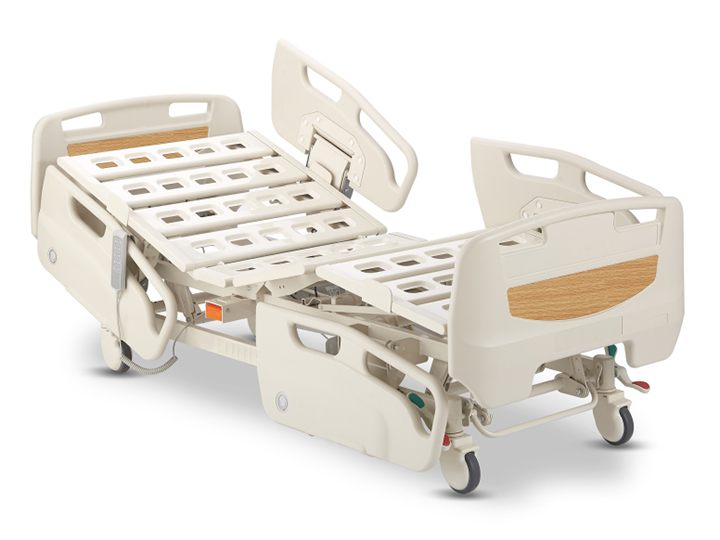
Comprehensive Analysis Of Medical Beds: Core Functions, Type Selection, And Modern Intelligent Applications
June-29 2026
Medical beds are indispensable professional equipment in medical institutions, providing support for patient treatment, rehabilitation, and daily care. A medical bed that meets the requirements can not only improve patient comfort and safety but also assist medical staff in performing their work efficiently. This article will systematically introduce the key features, main types, and development trends of medical beds to help you fully understand their important value. Core Functional Features of Medical Beds The design of modern medical beds fully considers the two-way needs of patients and medical staff, mainly reflected in the following aspects: 1. Height Adjustability: The head, foot, and overall height of medical beds are usually flexibly adjustable. This not only facilitates patients' daily activities such as eating, reading, or resting but also provides convenience for medical staff to perform examinations, dressing changes, nursing, and other operations, reducing their workload. 2. Comprehensive Safety Protection: Safety is the primary principle in medical bed design. Common protective facilities include liftable guardrails, which effectively prevent patients from falling when turning over; anti-slip bed structures and stable bed foot designs ensure...
-

เตียงพยาบาลทางการแพทย์: กุญแจสำคัญในการปรับปรุงคุณภาพการรักษาพยาบาล
June-04 2026
เนื่องจากเป็นโครงสร้างพื้นฐานที่ขาดไม่ได้ในสถานพยาบาล การออกแบบเตียงพยาบาลจึงส่งผลโดยตรงต่อประสบการณ์การฟื้นฟูสมรรถภาพของผู้ป่วยและประสิทธิภาพการทำงานของเจ้าหน้าที่ทางการแพทย์ ด้วยความก้าวหน้าของเทคโนโลยีทางการแพทย์ เตียงทางการแพทย์ได้พัฒนาฟังก์ชันอัจฉริยะและมีมนุษยธรรมต่างๆ กลายเป็นตัวบ่งชี้สำคัญในการวัดระดับการให้บริการของสถาบันทางการแพทย์ การวิเคราะห์หน้าที่หลักของเตียงทางการแพทย์ 1. ระบบปรับความสูง การใช้อุปกรณ์ไฟฟ้าหรือแบบแมนนวลในการยกเตียงโดยรวม ทำให้เตียงสามารถปรับให้เข้ากับความต้องการในการปฏิบัติงานของเจ้าหน้าที่ทางการแพทย์ที่มีความสูงต่างกันได้ ซึ่งช่วยลดความเสี่ยงของการบาดเจ็บจากการทำงานได้อย่างมีประสิทธิภาพ รองรับการใช้งานร่วมกับอุปกรณ์ต่างๆ เช่น รถเข็นและเปลหามได้อย่างราบรื่น เหมาะอย่างยิ่งสำหรับสถานการณ์การขนส่งหลังการผ่าตัด 2. โมดูลการปรับตำแหน่ง -การยกหัวเตียง/ที่วางเท้าแบบอิสระ: รองรับ 0° -75° ยกด้านหลังเพื่อตอบสนองความต้องการของผู้ป่วยในการรับประทานอาหาร การตรวจ ฯลฯ ขา 0° -40° ฟังก์ชั่นการยกสามารถส่งเสริมการไหลเวียนโลหิต -ฟังก์ชั่นการเอียงเตียงแบบเต็ม: รุ่นไฮเอนด์บางรุ่นมีการตั้งค่าความเอียง 0-12° การปรับความเอียงโดยรวมเหมาะสำหรับความต้องการตำแหน่งการรักษาพิเศษ 3. อุปกรณ์ป้องกันความปลอดภัย ราวกั้นสองด้านใช้การออกแบบป้องกันการหนีบ รวมกับฟังก์ชันล็อคด้วยคลิกเดียว ซึ่งสามารถป้องกันไม่ให้ผู้ป่วยล้มโดยไม่ส่งผลกระทบต่อการพยาบาล เตียงมีลูกกลิ้งเบรกสี่ทิศทางเพื่อให้เกิดความ...
-
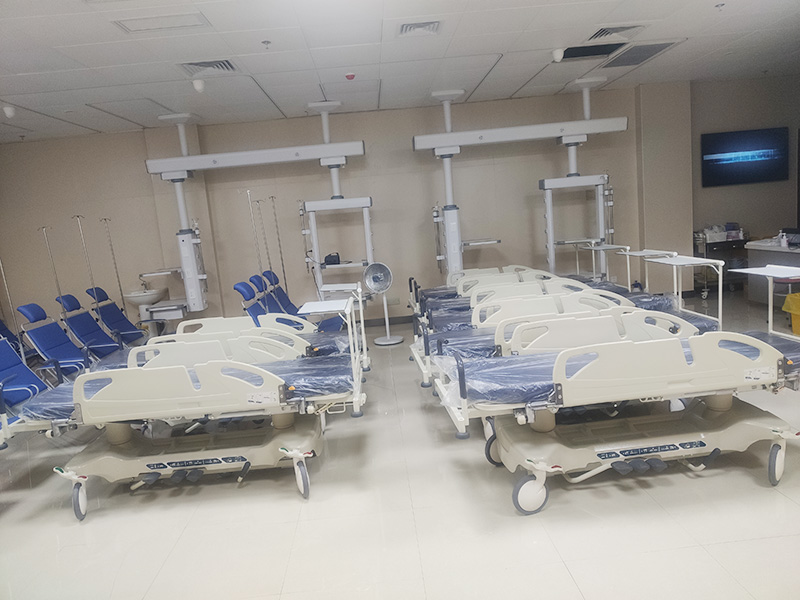
สถานการณ์การเลือกเตียงยกของโรงพยาบาลและการใช้งาน
June-04 2026
ในฐานะที่เป็นหนึ่งในอุปกรณ์หลักในการพยาบาลทางการแพทย์สมัยใหม่ เตียงยกของโรงพยาบาลได้ปรับปรุงความสะดวกสบายของผู้ป่วยและประสิทธิภาพการพยาบาลอย่างมีนัยสำคัญ ผ่านฟังก์ชันการปรับความสูงและการเปลี่ยนตำแหน่ง บทความนี้จะให้การวิเคราะห์เชิงลึกเกี่ยวกับฟังก์ชันหลัก จุดเลือก และสถานการณ์สมมติที่เกี่ยวข้องของเตียงลิฟต์ในโรงพยาบาลช่วยให้สถาบันทางการแพทย์และผู้ใช้ตามบ้านสามารถตัดสินใจทางวิทยาศาสตร์ได้ ฟังก์ชั่นหลักและข้อดีการออกแบบ 1. ระบบควบคุมหลายมิติ -การปรับความสูง: การยกและลดความสูงของตัวเตียงโดยรวมทำได้โดยใช้อุปกรณ์ไฟฟ้าหรือไฮดรอลิก โดยมีช่วงการปรับปกติระหว่าง 30-70 ซม. ทำให้ผู้ป่วยสามารถเข้าและออกจากเตียงได้อย่างปลอดภัย และปรับให้เข้ากับสถานการณ์การผ่าตัดทางการแพทย์ที่แตกต่างกัน - การปรับตำแหน่งแบบแบ่งส่วน: หัวเตียงสามารถเอียงได้ 0-75 องศา; หางเตียงรองรับได้ 0-40 องศา; การดัดและยืดสามารถตอบสนองความต้องการของผู้ป่วยในการนั่ง นอน ยกขา ฯลฯ เหมาะอย่างยิ่งสำหรับการฟื้นฟูสมรรถภาพหลังผ่าตัดและผู้ป่วยที่มีอาการหายใจลำบาก -ฟังก์ชันการพลิกคว่ำและเอียง: บางรุ่นรองรับการพลิกคว่ำด้านซ้ายและขวา (15-30°) และการเอียงพื้นผิวเตียงไปข้างหน้าและข้างหลัง ซึ่งอำนวยความสะดวกในการทำความสะอาดและการดูแล ป้องกันแผลกดทับ และอำนวยความสะดวกในการใช้งานในกรณีฉุกเฉิน 2. ความปลอดภัยและการออกแบบที่มีมนุษยธรรม -ป้องกันการตก: ติดตั้งราวกั้นสแตนเลสแบบถอดได้ รุ่นระดับไฮเอนด์บางรุ่นมีระบบแจ้งเตือนการออกจากเตียง และตรวจสอบสถานะกิจกรร...
-
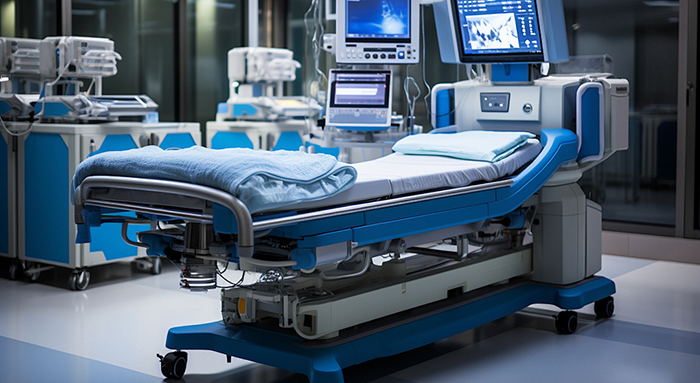
แนวทางการเปรียบเทียบและการบำรุงรักษาสำหรับฟังก์ชันเตียงทางการแพทย์
June-04 2026
ในฐานะที่เป็นสิ่งอำนวยความสะดวกที่สำคัญสำหรับการพยาบาล การออกแบบเตียงทางการแพทย์ควรคำนึงถึงความสะดวกสบายของผู้ป่วยและความสะดวกสบายในการพยาบาล บทความนี้จะวิเคราะห์สี่มิติของการจำแนกประเภท ฟังก์ชั่น การเลือก และการบำรุงรักษาประเด็นหลักของเตียงทางการแพทย์อย่างครอบคลุม การจำแนกประเภทหลักของเตียงทางการแพทย์ ตามโหมดการทำงานและสถานการณ์การใช้งาน เตียงทางการแพทย์สามารถแบ่งออกเป็นประเภทต่างๆ ได้ดังต่อไปนี้: 1. จำแนกตามวิธีการขับขี่ -เตียงในโรงพยาบาลแบบแมนนวล: ปรับตามโครงสร้างทางกล ประหยัด และใช้งานได้จริง ประเภททั่วไป ได้แก่ เชคเกอร์เดี่ยว (ปรับได้เฉพาะแผงด้านหลัง), เชคเกอร์คู่ (พร้อมแผงด้านหลังและแผงขาปรับระดับได้) และทริปเปิลเชคเกอร์ (ปรับความสูงโดยรวมได้เพิ่มขึ้น) เหมาะสำหรับสถานการณ์ที่มีอาการเล็กน้อยหรือมีงบประมาณจำกัด -เตียงในโรงพยาบาลกึ่งไฟฟ้า: ฟังก์ชั่นบางอย่าง (เช่น การยกแผงด้านหลัง) ขับเคลื่อนด้วยไฟฟ้า ช่วยรักษาสมดุลระหว่างต้นทุนและความง่ายในการใช้งาน -เตียงในโรงพยาบาลไฟฟ้าเต็มรูปแบบ: การปรับความสูงของเตียง พนัก และกระดานขาเพียงคลิกเดียว เหมาะสำหรับผู้ป่วยวิกฤตหรือสถานการณ์ที่ต้องมีการปรับตำแหน่งร่างกายบ่อยครั้ง 2. จำแนกตามสถานการณ์การทำงาน -เตียงป้องกันแผลกดทับ: ติดตั้งเบาะลมหรือเบาะรองน้ำ ลดความเสี่ยงต่อความเสียหายของผิวหนังสำหรับผู้ป่วยติดเตียงในระยะยาวผ่านการกระจายแรงกด -เตียงควบคุมทางจิตเวช: ออกแบบให้มีราวกั้นพิเศษและอุปกรณ์ยึดเพื่อความปลอดภัยของผู้ป่วยที่ปั่นป่วน ...
-
การวิเคราะห์กระบวนการและทักษะการปฏิบัติของการพยาบาลในวอร์ดตั้งแต่การรับเข้าจนถึงการฟื้นฟูสมรรถภาพ
June-04 2026
การพยาบาลในวอร์ดเป็นส่วนที่ขาดไม่ได้ของกระบวนการทางการแพทย์ ครอบคลุมการดูแลอย่างเป็นระบบตั้งแต่การรับผู้ป่วยจนถึงออกจากโรงพยาบาล โดยมีจุดมุ่งหมายเพื่อให้มั่นใจในความปลอดภัยของผู้ป่วย ส่งเสริมการฟื้นตัว และเสริมสร้างประสบการณ์ทางการแพทย์ ต่อไปนี้เป็นเนื้อหาหลักและประเด็นการปฏิบัติงานของการพยาบาลในวอร์ด เพื่อช่วยให้บุคลากรทางการแพทย์และครอบครัวเข้าใจถึงความจำเป็นของการพยาบาลอย่างเต็มที่ เนื้อหาหลักของการพยาบาลผู้ป่วยใน 1. การพยาบาลระหว่างขั้นรับเข้า -การรักษาสุขอนามัยส่วนบุคคล: ช่วยเหลือผู้ป่วยในการทำความสะอาดขั้นพื้นฐาน เช่น สระผม อาบน้ำ เปลี่ยนเสื้อผ้า ฯลฯ เพื่อให้เกิดความสบายกาย -การปรับตัวด้านสิ่งแวดล้อม: แนะนำแผนผังหอผู้ป่วยและกฎการใช้สิ่งอำนวยความสะดวกแก่ผู้ป่วยและครอบครัวเพื่อลดความไม่คุ้นเคย -การประเมินสุขภาพ: จัดทำเวชระเบียนและบันทึกสัญญาณชีพ (อุณหภูมิ ความดันโลหิต ฯลฯ) เพื่อเป็นพื้นฐานสำหรับการพยาบาลในภายหลัง 2. มุ่งเน้นการพยาบาลทุกวัน -การดูแลช่วงเช้าและเย็น: ช่วยเหลือผู้ป่วยในการซักผ้า จัดเตียง และรักษาความสะอาดในวอร์ด -การจัดการด้านอาหาร: ติดฉลากประเภทของอาหาร (เช่น ของเหลว เกลือต่ำ) ตามคำแนะนำของแพทย์ ดูแลการล้างมือก่อนรับประทานอาหาร และการจัดหลังมื้ออาหาร -การดูแลความต้องการพิเศษ: สำหรับผู้ป่วยโคม่า กลั้นไม่ได้ หรือผู้สูงอายุ ให้เพิ่มความถี่ในการพลิกตัวเพื่อป้องกันแผลกดทับ และเสริมสร้างสุขอนามัยในช่องปากและผิวหนัง 3. การปฏิบัติการพยาบาลวิชาชีพ -การดูแล...
-
สถานการณ์การเลือกเตียงยกของโรงพยาบาลและการใช้งาน
-
การวิเคราะห์กระบวนการและทักษะการปฏิบัติของการพยาบาลในวอร์ดตั้งแต่การรับเข้าจนถึงการฟื้นฟูสมรรถภาพ
-
ลักษณะการทำงานและการเลือกเตียงตรวจวินิจฉัยและรักษาทางการแพทย์
-
เตียงฟื้นฟู: กุญแจสำคัญในการปรับปรุงคุณภาพการดูแลผู้ป่วยติดเตียงระยะยาว
-
เทคโนโลยีการดูแลผู้สูงอายุอัจฉริยะเสริมศักยภาพและเปิดศักราชใหม่ของการบริการดูแลผู้สูงอายุ
-
การวิเคราะห์ฟังก์ชั่นและข้อควรระวังในการเลือกเตียงอัจฉริยะไฟฟ้า
-
แนวทางการเลือกอุปกรณ์การฟื้นฟูสมรรถภาพและการวิเคราะห์ประเภททั่วไป
-
ทักษะการวิเคราะห์ฟังก์ชันและการเลือกเตียงคู่
-
การพัฒนาการดูแลผู้สูงอายุตามบ้านอย่างชาญฉลาดและอิงชุมชน