ข่าว
ข่าว
Comprehensive Analysis Of Medical Beds: Core Functions, Type Selection, And Modern Intelligent Applications
Medical beds are indispensable professional equipment in medical institutions, providing support for patient treatment, rehabilitation, and daily care. A medical bed that meets the requirements can not only improve patient comfort and safety but also assist medical staff in performing their work efficiently. This article will systematically introduce the key features, main types, and development trends of medical beds to help you fully understand their important value.
Core Functional Features of Medical Beds
The design of modern medical beds fully considers the two-way needs of patients and medical staff, mainly reflected in the following aspects:
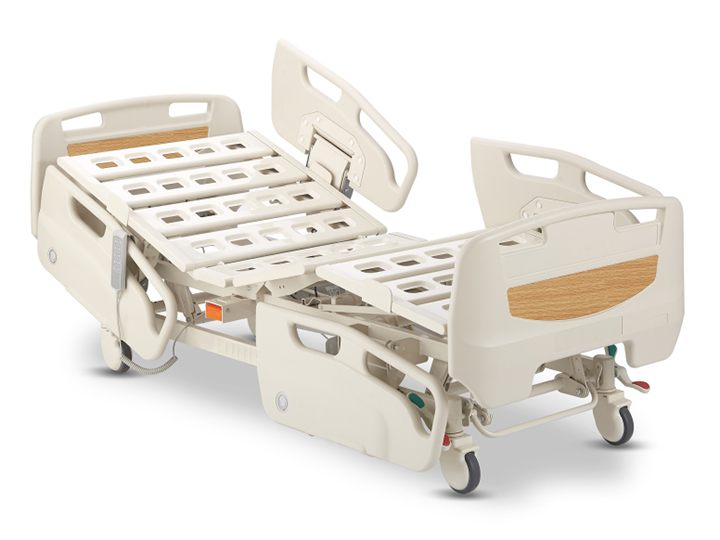
1. Height Adjustability: The head, foot, and overall height of medical beds are usually flexibly adjustable. This not only facilitates patients' daily activities such as eating, reading, or resting but also provides convenience for medical staff to perform examinations, dressing changes, nursing, and other operations, reducing their workload.
2. Comprehensive Safety Protection: Safety is the primary principle in medical bed design. Common protective facilities include liftable guardrails, which effectively prevent patients from falling when turning over; anti-slip bed structures and stable bed foot designs ensure the bed remains stable during use, minimizing the risk of accidents to the greatest extent.
3. Focus on Patient Comfort Experience: Mattresses are usually made of high-density foam, memory foam, or breathable materials to provide balanced support and alleviate pressure sores and discomfort that may occur from long-term bed rest. Good comfort is directly related to the patient's rehabilitation mood and physical state.
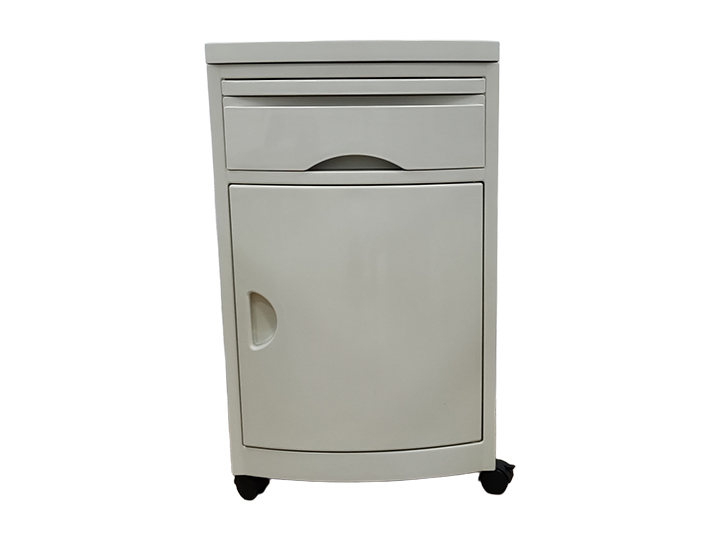
4. Rich Functional Expansion: To meet diverse clinical needs, many medical beds integrate practical functions, such as movable infusion stands, built-in bedside tables, bedpan openings, etc. Some professional models also have functional modules such as ultraviolet disinfection to assist in hospital infection control.
5. Intelligent Trend: With the advancement of technology, intelligent medical beds are gradually becoming popular. They can automatically adjust posture through remote control or preset programs, and even integrate vital sign monitoring sensors to transmit patient data in real-time, achieving simultaneous improvement in nursing efficiency and quality.
How to Choose the Appropriate Type of Medical Bed?
Medical beds are classified according to application scenarios and patient conditions, and correct selection is crucial:
- General Hospital Beds: Suitable for general inpatients, providing basic adjustment functions and comfort.
- Intensive Care Beds: Commonly used in departments such as ICU and CCU, with extremely high adjustability, load-bearing capacity, and emergency position change functions, facilitating connection with various monitoring and treatment equipment.
- Operating Room Beds: Specially designed for surgery, with materials that are easy to thoroughly disinfect and can provide precise and stable positioning of various body positions during surgery.
- Rehabilitation Nursing Beds: Focus on helping patients with rehabilitation training, often equipped with functions such as assisted getting up and leg bending to facilitate patients' progressive activities.
When choosing, comprehensive consideration should be given to the patient's physical condition, nursing needs, and expected usage scenarios. A suitable medical bed is an important infrastructure to ensure the quality of medical care and promote patient rehabilitation.
Conclusion
From basic care to intensive care, from manual operation to intelligent interconnection, the evolution of medical beds reflects the combination of medical care and technological innovation. Understanding their core functions and classifications helps medical institutions and families make more informed configuration decisions, ultimately allowing patients to receive safer, more comfortable, and efficient care experiences.
ข่าวแนะนำ
-
สถานการณ์การเลือกเตียงยกของโรงพยาบาลและการใช้งาน
-
การวิเคราะห์กระบวนการและทักษะการปฏิบัติของการพยาบาลในวอร์ดตั้งแต่การรับเข้าจนถึงการฟื้นฟูสมรรถภาพ
-
ลักษณะการทำงานและการเลือกเตียงตรวจวินิจฉัยและรักษาทางการแพทย์
-
เตียงฟื้นฟู: กุญแจสำคัญในการปรับปรุงคุณภาพการดูแลผู้ป่วยติดเตียงระยะยาว
-
เทคโนโลยีการดูแลผู้สูงอายุอัจฉริยะเสริมศักยภาพและเปิดศักราชใหม่ของการบริการดูแลผู้สูงอายุ
-
การวิเคราะห์ฟังก์ชั่นและข้อควรระวังในการเลือกเตียงอัจฉริยะไฟฟ้า
-
แนวทางการเลือกอุปกรณ์การฟื้นฟูสมรรถภาพและการวิเคราะห์ประเภททั่วไป
-
ทักษะการวิเคราะห์ฟังก์ชันและการเลือกเตียงคู่
-
การพัฒนาการดูแลผู้สูงอายุตามบ้านอย่างชาญฉลาดและอิงชุมชน
◇◇ เนื้อหาที่เกี่ยวข้อง ◇◇
- Comprehensive Analysis Of Treatment Carts: A Guide To Selecting Key Equipment For Enhancing Medical Efficiency
- The Ultimate Guide To Electric Smart Beds: Feature Analysis And Buying Tips To Enhance Your Sleep Tech Experience
- Complete Guide To Purchasing And Using Manual Hospital Beds: Economical Medical Care Solutions
- Complete Guide To Choosing A Children's Hospital Bed: 7 Key Points To Help You Make An Informed Decision
- Ultimate Guide To Crib Safety: 10 Key Points For Your Baby's Safe Sleep
- What Is An Emergency Bed? Unveiling The Core Functions And Applications Of Key Medical Equipment In ICU, Emergency Departments, And Ambulances
- Transfer Cart: Key Equipment For Enhancing Logistics Efficiency And Selection Guide
- Home Care Beds: The Ideal Choice For Enhancing Quality And Comfort Of In-Home Care
- The Ultimate Guide To Surgical Operating Tables: Core Parameter Analysis And Professional Purchasing Strategy
◇◇ สินค้าที่เกี่ยวข้อง ◇◇