
ข่าว
ข่าว
Neonatal Bed Guide: How To Choose A Safe And Comfortable Medical Crib For Your Baby?
A neonatal bed, also known as a medical crib or infant incubator, is an indispensable professional device in hospital neonatology, obstetrics, and pediatrics departments. It is not only the baby's first little nest after birth but also an important medical facility to ensure the life safety and healthy development of premature infants and sick newborns. For families about to welcome a new life, or professionals engaged in medical care, understanding the functions, types, and selection points of neonatal beds is crucial.
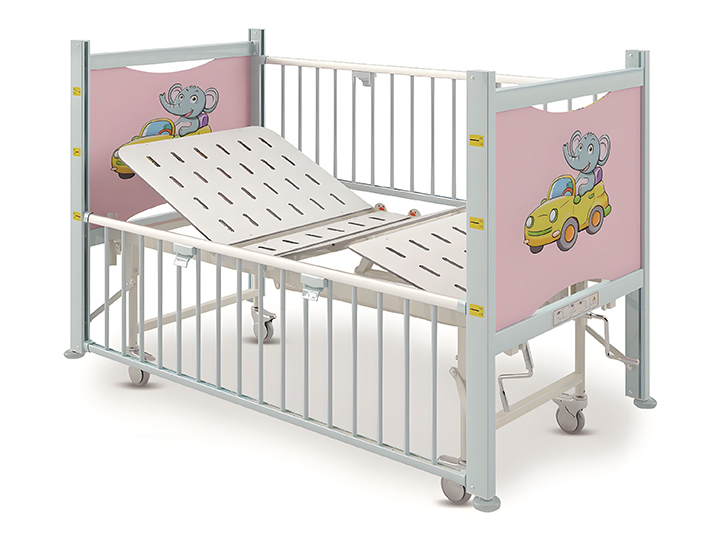
Core Functions and Importance of Neonatal Beds
Unlike home baby cribs, neonatal beds are designed strictly in accordance with medical standards to provide a stable, safe, and controllable medical environment. Core functions typically include:
Vital sign monitoring support: Facilitates connection to devices such as ECG monitors and blood oxygen saturation monitors, ensuring healthcare providers can real-time monitor the baby's vital signs.
Precise environmental control: Especially neonatal incubators, which can accurately regulate internal temperature and humidity, simulating the maternal environment to provide a constant temperature and humidity growth space for premature infants or babies with weak temperature regulation ability.
Infection prevention and safety protection: Made of easily disinfectable materials (such as medical-grade plastic), designed with smooth surfaces without dead corners, and equipped with transparent guardrails, preventing infection while allowing healthcare providers and family members to observe easily and ensuring the baby does not accidentally fall.
Convenience for medical operations: The bed height is adjustable, and the guardrails can be flexibly lowered, facilitating healthcare providers to perform nursing, examinations, infusion, and other operations, reducing movement and disturbance to the baby.
Common Types of Neonatal Beds
According to clinical needs, neonatal beds mainly include the following types:
1. Neonatal incubator (baby incubator): This is the most well-known type, mainly used for premature infants, low-birth-weight infants, or newborns requiring special care. It provides a closed space with controllable environmental parameters and is a key equipment in the Neonatal Intensive Care Unit (NICU).
2. Open neonatal resuscitation station (radiant warmer): Typically used in delivery rooms or settings requiring frequent medical interventions. It employs an overhead radiant heating unit to keep the infant warm, while its open design allows healthcare personnel to perform resuscitation and other procedures from any angle without obstruction.
3. Standard medical neonatal bed/crib: Similar to a cart with guardrails, often used for stable newborns during observation or recovery. Some high-end models also have basic warming and monitoring functions.
4. Multifunctional infant bed cart: Combines the functions of a bed and a transfer cart, facilitating safe transfer of newborns between wards and examination rooms, improving nursing efficiency.
Key Factors to Consider When Choosing a Neonatal Bed
When purchasing for medical institutions or when parents are seeking relevant information, the following aspects should be focused on:
Safety and certification: Ensure the product complies with relevant national medical device standards and has the necessary medical device registration certificate. A stable structure, rounded corners, and a reliable braking system are basic requirements.
Matching of functions and clinical needs: Select products with different functional focuses according to the characteristics of the children admitted to the department (such as whether it is a high-risk neonatal ward), such as whether advanced respiratory support integration and precise temperature and humidity control are needed.
Comfort and humanized design for the child: Consider details such as mattress comfort, internal noise level, and whether it is convenient for mother-infant interaction (such as an incubator with hand holes).
Operational convenience for healthcare providers: Evaluate whether the equipment is easy to clean and disinfect, whether adjustments are labor-saving, and whether monitoring equipment connection is convenient, which directly affects the efficiency and intensity of nursing work.
Cost and cost-effectiveness: Neonatal beds, especially high-end incubators, are expensive. In addition to the equipment purchase cost, daily operation and maintenance costs should also be considered. For family users, attention should be paid to the daily cost of the neonatal ward (including the bed, nursing, etc.), which varies greatly depending on the region, hospital level, and the baby's condition.
Summary and Recommendations
Choosing the right neonatal bed core lies in finding the best balance between safety, medical functions, child comfort, and actual budget. For hospitals, a comprehensive assessment should be conducted based on clinical actual needs and budget; for parents, understanding this knowledge helps better communicate with healthcare providers and understand the nursing environment their baby is in.
No matter what type is chosen, ensuring that it can provide a safe, warm, and professional life support environment for vulnerable newborns is the ultimate goal of all considerations. In the baby's first and most critical stage of life, a high-quality neonatal bed is the first solid barrier to protect their healthy growth.
ข่าวแนะนำ
-
สถานการณ์การเลือกเตียงยกของโรงพยาบาลและการใช้งาน
-
การวิเคราะห์กระบวนการและทักษะการปฏิบัติของการพยาบาลในวอร์ดตั้งแต่การรับเข้าจนถึงการฟื้นฟูสมรรถภาพ
-
ลักษณะการทำงานและการเลือกเตียงตรวจวินิจฉัยและรักษาทางการแพทย์
-
เตียงฟื้นฟู: กุญแจสำคัญในการปรับปรุงคุณภาพการดูแลผู้ป่วยติดเตียงระยะยาว
-
เทคโนโลยีการดูแลผู้สูงอายุอัจฉริยะเสริมศักยภาพและเปิดศักราชใหม่ของการบริการดูแลผู้สูงอายุ
-
การวิเคราะห์ฟังก์ชั่นและข้อควรระวังในการเลือกเตียงอัจฉริยะไฟฟ้า
-
แนวทางการเลือกอุปกรณ์การฟื้นฟูสมรรถภาพและการวิเคราะห์ประเภททั่วไป
-
ทักษะการวิเคราะห์ฟังก์ชันและการเลือกเตียงคู่
-
การพัฒนาการดูแลผู้สูงอายุตามบ้านอย่างชาญฉลาดและอิงชุมชน
◇◇ เนื้อหาที่เกี่ยวข้อง ◇◇
- Comprehensive Analysis Of Treatment Carts: A Guide To Selecting Key Equipment For Enhancing Medical Efficiency
- The Ultimate Guide To Electric Smart Beds: Feature Analysis And Buying Tips To Enhance Your Sleep Tech Experience
- Complete Guide To Purchasing And Using Manual Hospital Beds: Economical Medical Care Solutions
- Complete Guide To Choosing A Children's Hospital Bed: 7 Key Points To Help You Make An Informed Decision
- Ultimate Guide To Crib Safety: 10 Key Points For Your Baby's Safe Sleep
- What Is An Emergency Bed? Unveiling The Core Functions And Applications Of Key Medical Equipment In ICU, Emergency Departments, And Ambulances
- Transfer Cart: Key Equipment For Enhancing Logistics Efficiency And Selection Guide
- Home Care Beds: The Ideal Choice For Enhancing Quality And Comfort Of In-Home Care
- The Ultimate Guide To Surgical Operating Tables: Core Parameter Analysis And Professional Purchasing Strategy
◇◇ สินค้าที่เกี่ยวข้อง ◇◇